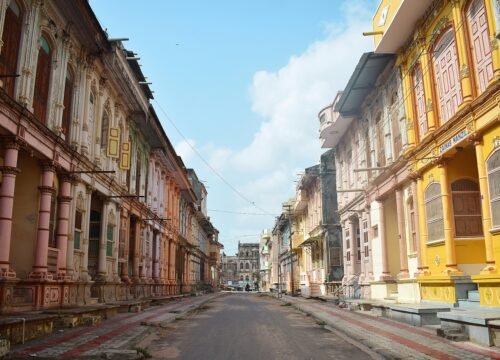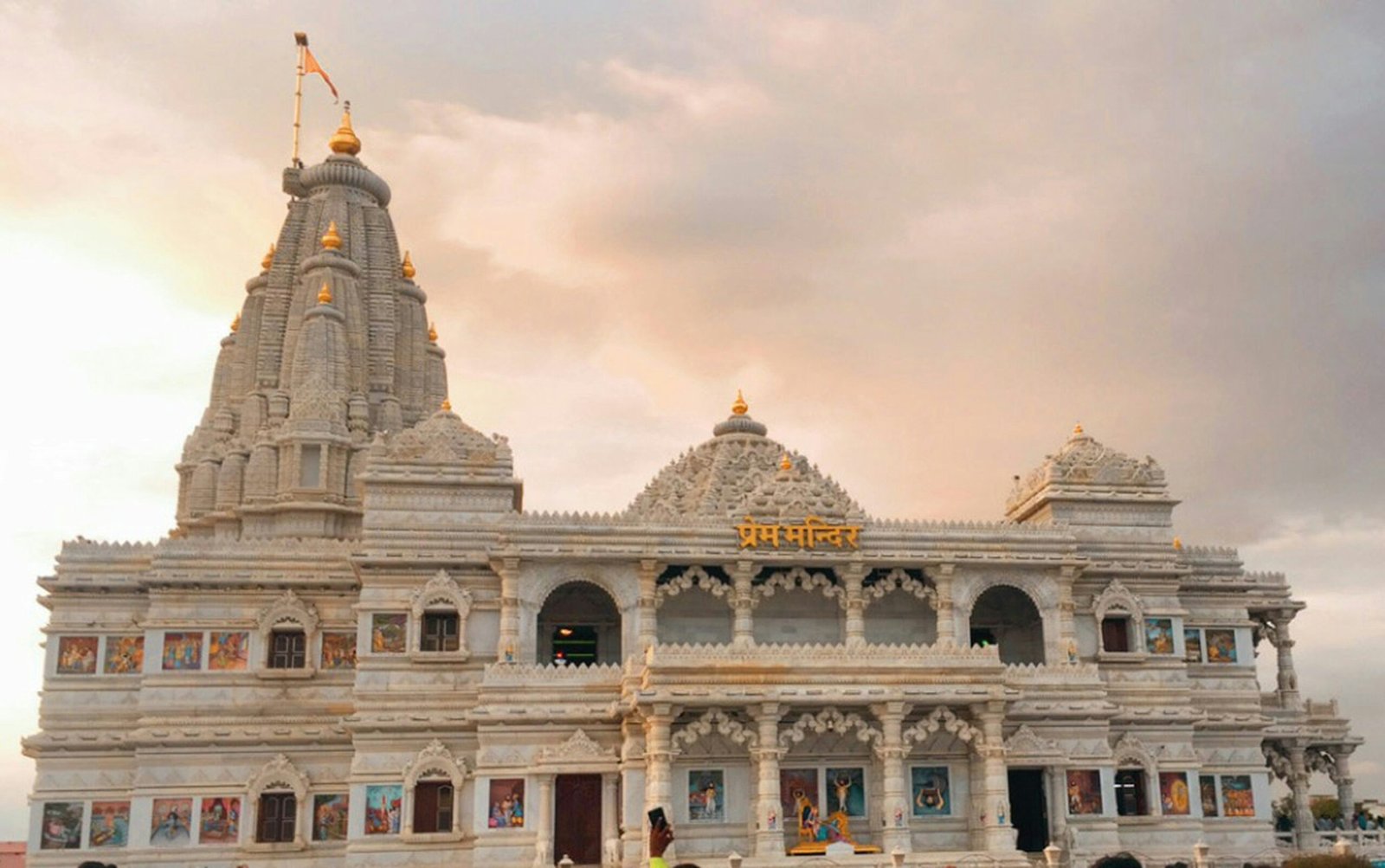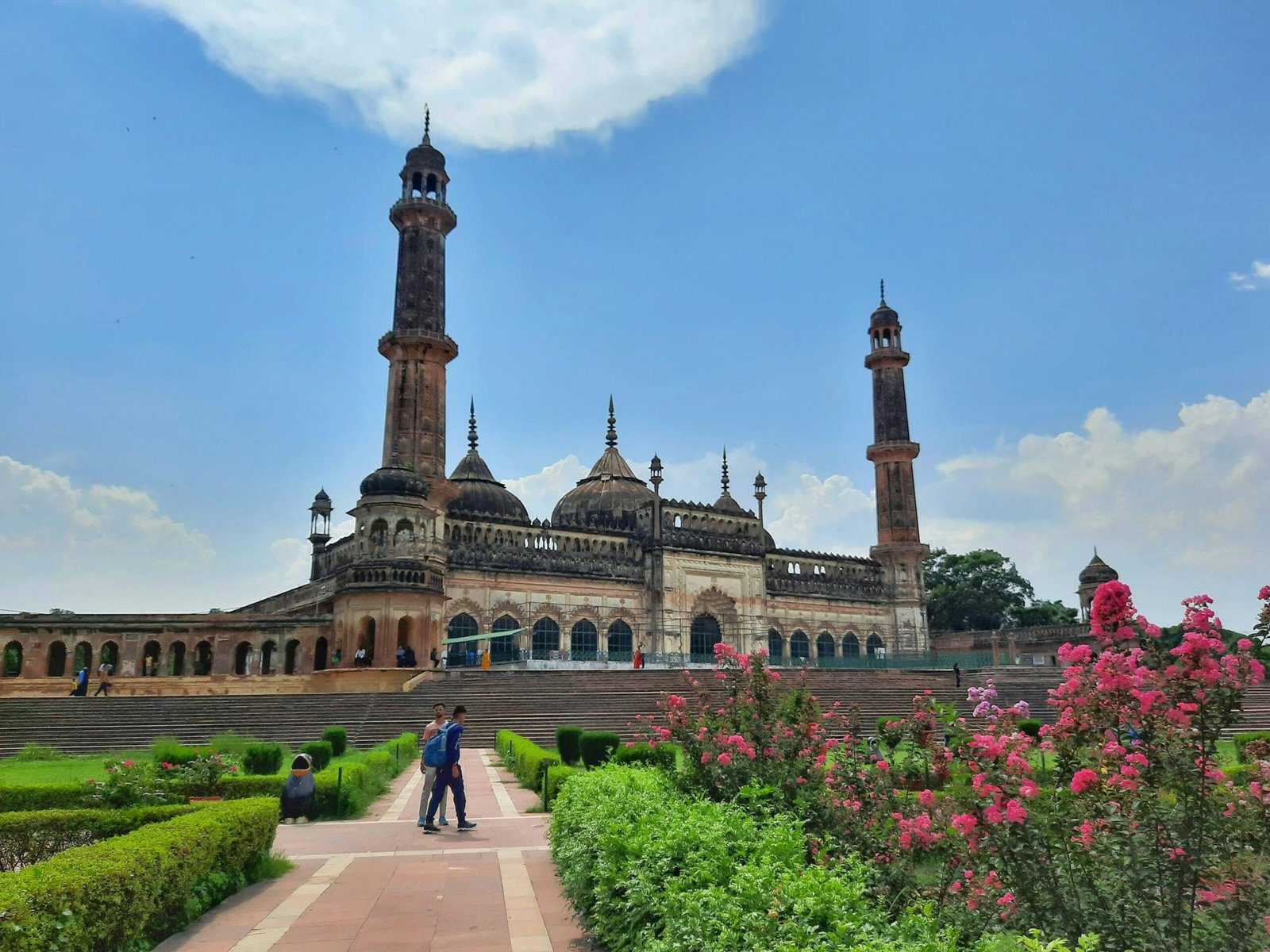
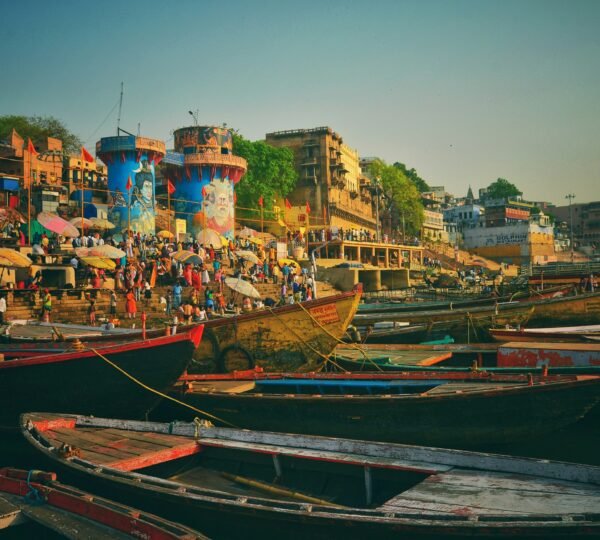
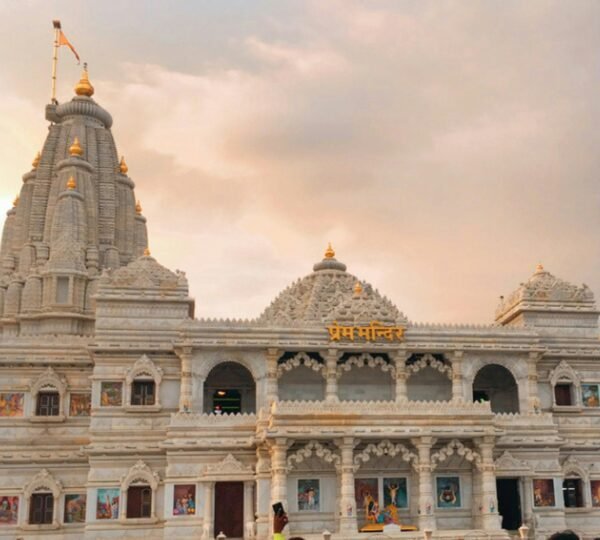
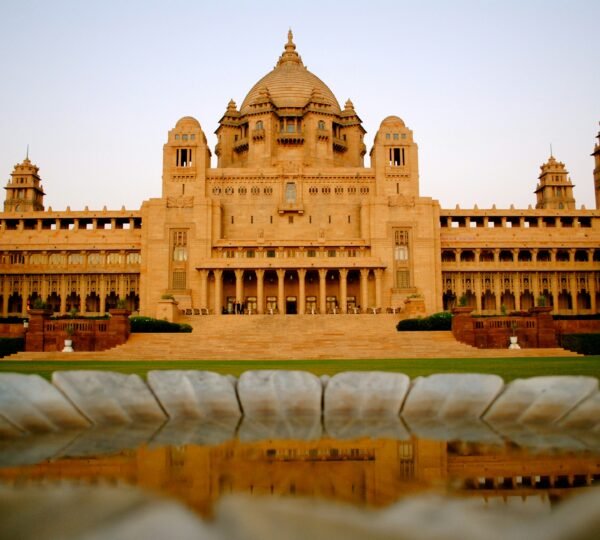
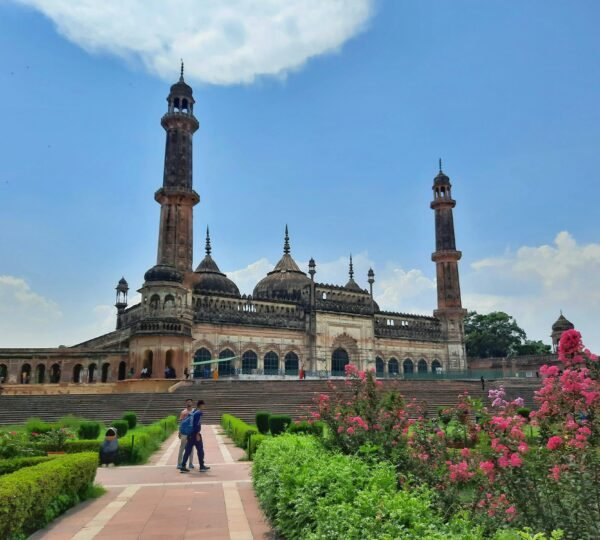
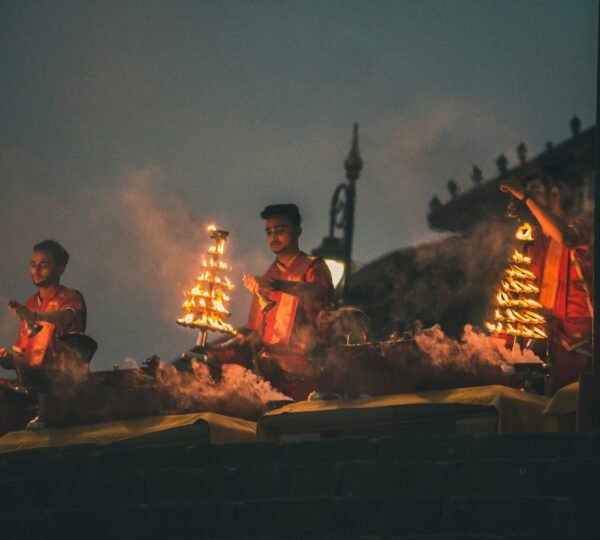
Explore the rich heritage and spiritual soul of India with the Best of Uttar Pradesh tour. This journey takes you through the iconic landmarks and sacred cities of the state—from the majestic Taj Mahal and historic Agra Fort in Agra, to the holy ghats of Varanasi, and the vibrant temples of Mathura and Vrindavan. Experience the grandeur of Lucknow with its royal architecture and delectable cuisine, and witness centuries of culture, art, and devotion come alive. This tour perfectly blends history, spirituality, and cultural exploration, offering travelers an unforgettable glimpse into the heart of India.
2N Varanasi•1N Prayagraj•2N Ayodhya
Tour Plan
Day 02: Varanasi Sightseeing
After Breakfast, proceed to visit
Vishvanath Temple: Kashi Vishvanath Temple also known as Golden Temple is one of the most famous Hindu temples dedicated to Lord Shiva. It is located in Varanasi, Uttar Pradesh. The temple situated on the western bank of the holy river Ganga, is one of the twelve Jyotirlingas, the holiest of Shiva temples. The main deity of Vishvanath Temple is Lord Shiva, also known as Vishvanatha or Vishveshvara meaning the Ruler of The Universe. Varanasi in its older times is also called Kashi, and hence the temple is popularly known as Kashi Vishvanath Temple. The importance of the Kashi Vishwanath Temple also originates from the fact that it finds mentions in several Holy Scriptures of the Hindus. The temple has 800kg of gold plating on its tower. On the outside, the temple is decorated with intricate carvings that impart a divine quality to the façade. Other than that, the temple also houses several other small temples such as Kaalbhairav, Vishnu, Virupaksh Gauri, Vinayaka and Avimukteshwara.
Tips:
- Best season to visit is during winters (November – February) • Darshan timings: 6AM to 6PM • Pooja Timings : Mangala Aarti: 3:00 AM to 4:00 AM (Morning) Bhoga Aarti: 11:15 AM to 12:20 AM (Day) Sandhya Aarti: 7:00 PM to 8:15 PM (Evening) Shringara Aarti: 9:00 PM to 10:15 PM (Night) Shayana Aarti: 10:30 PM ti 11:00 PM (Night) • Epic Evening Ganga Aarti: Daily at 6:30 PM post sundown in summer and 7:00 PM in winters for about 45 minutes. The venue is Dashashwamedh ghat, one of the holiest of all ghats in Varanasi • Dress Code for Sparsh Darshan : Men: Dhoti-Kurta and Women: Saree • Visitors are not allowed to carry cell phones, cameras, and belts with metal buckles, shoes, cigarettes and lighters into the temple premises. Lockers can be hired at a nominal charge. • Things one can buy from Varanasi are The Holy Water of Ganga, Banarasi Silk Saris, Crystal and Stone Shivlinga, Rudraksha Mala, Glass Beads etc.
Annapurna Temple : Dedicated to goddess Annapurna, the goddess of food and nourishment, Annapurna Temple was constructed in the 18th century by Peshwa Baji Rao. It is located in Vishwanath Gali and lies close to Kashi Vishwanath Temple. Goddess Annapurna is said to protect the people of Varanasi and never lets anyone go hungry. The prasadam served here consists of raw grains signifying the importance of food. The temple is constructed in the Nagara style and the main sanctum consists of two idols of the goddess. One is made of brass and the other of gold. While the brass statue is worshipped everyday, the gold statue is worshipped only on special occasions. One such occasion is the Annakut Festival which is celebrated every year after Diwali. Coins are distributed among the devotees as prasadam and it is believed that by worshipping these coins, goddess Annapurna blesses one with a successful and prosperous life. Offerings can be made to the goddess by purchasing flowers and other items from vendors outside the temple.
Tips:
- The temple remains open from 4:00 am - 11:30 am and then from 7:00 pm - 11:00 pm. The aarti is performed every morning at 4:00 am. Devotees are expected to dress modestly and keep their heads covered with a cloth at all times. Footwear is not allowed inside the temple and arrangement for keeping the same safe has been made outside. Beware of pundits who will find ways to get money from you by performing various kinds of pujas for your prosperity.
Sankat Mochan Temple: The Sankat Mochan Temple, dedicated to Lord Hanuman was built in the early 20th century by Madan Mohan Malviya. Situated on the banks of river Assi, it is built on the site where Goswami Tulsidas is believed to have had a vision of Lord Hanuman. In the inner sanctum is a statue of Lord Hanuman covered in vermillion sindoor). Besan ladoos are offered to the lord as they are believed to be his favorite delicacy. They can be bought from vendors outside the temple. Hanuman Jayanti, in particular draws a lot of devotees to the temple.
Tips:
- There are a lot of monkeys in the temple premises who might try to steal food from visitors, so beware. The temple remains open from 4:00 am - 10:00 pm. The morning aarti is performed at 5:00 am and the evening sandhya) aarti is performed at 9:00 pm. Visitors are expected to dress modestly inside the temple premises. Footwear is not allowed and arrangement for the safekeeping of the same has been made by the temple authorities.
Benares Hindu University : Established in 1916 by Pandit Madan Mohan Malaviya, Banaras Hindu University (BHU) is counted amongst the best educational institutions in India. Spread over an area of 1300 acres, the tree-lined campus features buildings, gardens, and a temple. It is mainly known for Bharat Kala Bhavan where you could see a rare collection of miniature paintings, palm-leaf manuscripts and sculptures. Also, the university has a new Vishwanath Temple, which is also known as the Golden Temple. A fair amount of walking is required to reach the Banaras Hindu University (BHU), therefore, it is suggested to wear comfortable shoes.
Dhamekh Stupa : Holding immense religious and historical significance, the Dhamekh Stupa in Sarnath, Uttar Pradesh is a highly popular attraction among tourists and locals. It was built in 500 CE to replace an earlier structure commissioned by Mauryan Emperor Ashoka in 249 BCE. The stupa is built partly of stone and partly of brick and stands high as 143-ft. It is adorned with exquisitely carved figures of humans and birds, as well as inscriptions in the Brahmi script and ornate floral carvings of Gupta origin. It is one of the most prominent Buddhist structures in India as Buddha gave his first sermon here after attaining enlightenment.
Tips:
- It is advisable to wear comfortable footwear as you will have to walk a lot. The Stupa timings are from 6am to 5pm
Day 3 : Varanasi to Prayagraj
Sightseeing in Prayagraj
Anand Bhawan : Anand Bhavan was once the ancestral home of the Nehru family. Now transformed into a museum, it showcases artifacts and articles from the era of Independence movement in India. It features wooden furniture imported from China and Europe and artifacts from all over the world. It exhibits events in which the Nehru family participated during the freedom struggle. It also has a room dedicated to Mahatma Gandhi, the father of the nation. The museum remains closed for visitors on Mondays and on Government Holidays.
Triveni Sangam : The Triveni Sangam is the meeting point of three holy rivers- Ganga, Yamuna and Saraswati. Saraswati is the mythical river which is supposed to have dried up a million years ago but it is believed that the river flows beneath the surface. The brownish hue of Ganga and greenish hue of Yamuna, as they meet, is a fascinating sight to behold. Tourists can take a boat ride and see the spot where the three rivers meet. The Triveni Sangam is a sacred place and it i sbelieved that a holy dip will wash away one’s sins and attain moksha. Many people and devotees from all around the world visit the fascinating Triveni Sangam to offer prayers and take a dip into the holy waters of this Sangam.
Day 4 : Prayagraj to Ayodhya
Sangam Ki Sair
Day 5 : Ayodhya
Sightseeing in Ayodhya
Hanuman Garhi : Hanuman Garhi is a temple dedicated to Lord Hanuman, who is said to be presiding here since its inception, and guards the entire city of Ayodhya. It was built in the 10th Century A.D. by King Vikramaditya of Kosala. Visitors need to climb a flight of almost 70 stairs to reach the temple. Inside the temple, Lord Hanuman in his young form is seen sitting in the lap of his mother Anjani. Devotees believe that all their wishes are fulfilled and sins washed away if they visit Hanuman Garhi at least once in their lifetime. A visit to Ayodhya is said to be incomplete without visiting Hanuman Garhi. Visitors are requested to dress modestly inside the temple premises and no footwear is allowed. If you are lucky, you may spot a few monkeys or langurs, which are a common sight in every Hanuman temple.
Ram Janmabhoomi Temple : Located on the banks of the river Saryu, Ayodhya is one of the oldest settlements of India. It is a revered site for the Hindus mainly because it is the birthplace of the 7th incarnation of Lord Vishnu, Lord Ram. The Ram Janmabhoomi is the specific place in Ayodhya where Lord Ram is believed to be born and spent most of his childhood here. However, a mosque was built by Babur on the already existing temple, which was demolished in 1992 followed by nation-wide riots. After being a disputed site for decades, the Ramjanmabhoomi Temple is finally under construction. When here, you can also visit the site of the famous Babri Mosque to see its remains. The temple remains open from 7:00 am- 11:00 am and again from 2:00 pm- 6:00 pm. Visitors are advised to dress modestly inside the temple premises. Footwear is now allowed.
Kanak Bhawan Temple : Kanak means gold. True to its name, the deities residing inside this sprawling palace-turned-temple adorn ornaments made of real gold. Dedicated to Lord Rama and his consort Goddess Sita, the palace is said to have been gifted by Queen Kaikeyi to the newlyweds- Ram and Sita. Kanak Bhawan was renovated in the 18th century by Vrish Bhanu Kunwari. The design of the palace is similar to the royal structures of Bundelkhand and Rajasthan. Visitors are requested to dress modestly inside the palace premises. No footwear is allowed inside the Garbha-griha.
Treta Ke Thakur : Lord Ram is said to have existed during the Tretayuga, and hence he is rightly referred to as Treta ke Thakur. Situated on the banks of river Saryu, on the Naya Ghat, lies Treta ke Thakur, a temple dedicated to Lord Ram. The temple was built at the place where Lord Ram is believed to have performed the Ashwamedha Yagya. Initially, when the temple was built about 300 years ago, idols made of black sandstone were placed inside. Later, in the 18th century, the temple was rebuilt and idols were recovered from the river. The idols are the reason this temple is most popularly called as the Kaleram ka mandir. No footwear is allowed inside the temple and devotees are expected to dress modestly.
Nageshwarnath Temple : The Nageshwarnath temple is located at Ram Ki Pedhi and is a prime attraction of Ayodhya. It is dedicated to Lord Shiva and is one of the 12 Jyotirlingas in India. As per belief, it was constructed by Kush, son of Lord Rama. It is also said that when Kush lost his armlet while bathing in river Saryu, Nagakanya found it and she fell in love with him. Kush built this Shiva temple for Nagakanya who was the devotee of Lord Shiva. On the festival of Shivaratri, Shiva-baraat procession is taken out and Lord Shiva’s marriage anniversary is celebrated by devotees in this temple. On this occasion, you notice the beauty of the temple most.
Day 06: Ayodhya Departure
After Breakfast, Checkout and proceed to Nearby sightseeing’s by your own. Later drop at Ayodhya Airport for your onward Journey.