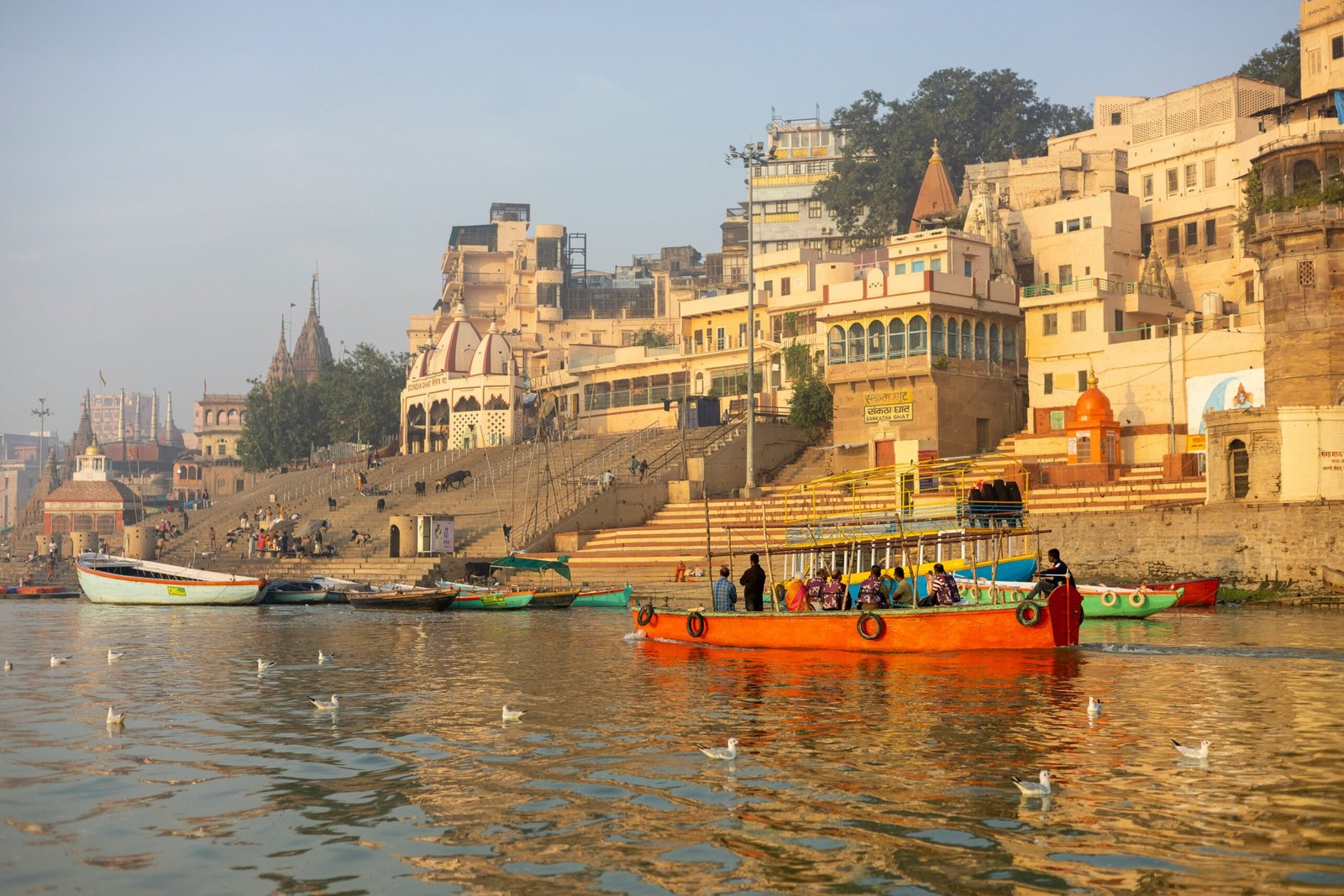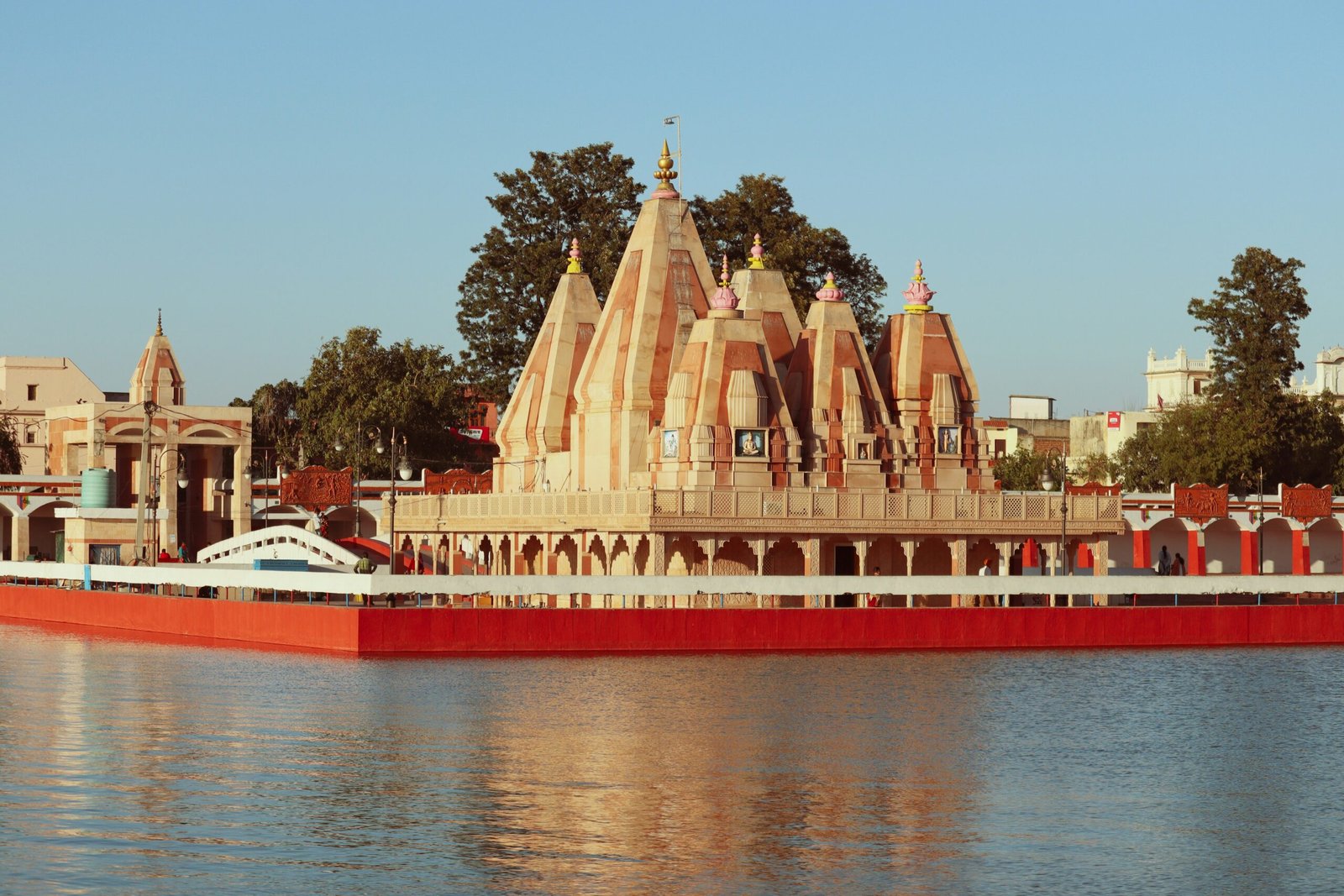
Embark on a journey through devotion, culture, and history with this trip to Mathura, Vrindavan, and Agra. Begin in Mathura, the birthplace of Lord Krishna, where ancient temples and vibrant celebrations bring mythology to life. Continue to Vrindavan, famous for its colorful ghats, lively festivals, and spiritual aura, offering a glimpse into the devotional life of devotees and the enchanting stories of Krishna. Conclude your journey in Agra, home to the world-renowned Taj Mahal and historic Agra Fort, showcasing the grandeur of Mughal architecture. This trip beautifully blends spirituality, heritage, and iconic landmarks, creating an unforgettable experience through the heart of Uttar Pradesh.
1N Mathura•1N Vrindavan•1N Agra
Tour Plan
Day 02: Mathura to Vrindavan
After Breakfast, proceed to Vrindavan
Sightseeing in Vrindavan and Mathura
Iskcon Vrindawan : The Sri Sri Krishna Balaram Mandir, situated in the Raman Reti area of Vrindavan, holds a special significance for devotees of the International Society for Krishna Consciousness. This grand temple represents the fulfilled dream of Srila Prabhupada, Founder-Acharya of ISKCON, who wished to construct a temple of unparalleled beauty for the worship of the transcendental brothers Krishna and Balaram in the same village where They played more than five thousand years ago. Srila Prabhupada directly oversaw all aspects of design and construction and personally called the Lord to come and accept the worship of His devotees from around the world.
Mathura Banke Bihari Temple
Rangji Mandir : Sri Rangji Temple also known as Sri Ranganath Temple is located at a distance of 1.5kms from the Vrindavan Railway Station, Mathura in Uttar Pradesh. This is a temple dedicated to Lord Vishnu and his wife Lakshmi. The construction of this temple began in the year 1845 and ended in the year 1851. The cost incurred to construct temple roughly is 45 Lakhs rupees. Original built by Seth Radha Krishna and Seth Govindadasa who originated from Chennai. This temple is considered to be one of the largest temples in Vrindavan and is intact with high walls all around. The idol in the Temple is represented in the sleeping posture on a serpent called the Shesh Nag. This temple has idols of Sita - Rama and Lakshmana, Lord Narasimha, Ramanujacharya and Venugopala as well. The temple holds strong with south Indian Architecture that has 8 Gopuras (Pillars) built in the Dravidian Style. One would notice that the main entrance of the temple is on the western side and has a six storey Gopuram which are engraved with many carvings. There is installed a 50 feet hiugh Dhwaja Stambha that is said to be gold plated. The temple has a tank and houses a beautiful Garden as well. Brahmotsavam is a 10 day festival that is celebrated in the month of March/April attracting thousands of Devotees every year.
Sri Sri Radha Madan Mohan : Of all the popular tourist attractions in Vrindavan, Madan Mohan Temple is one of the oldest and also a highly revered temple in the city. Despite being old, the appearance of the temple, which is built in the Nagra style of architecture, is quite impressive. Overlooking the holy Yamuna River, Madan Mohan Temple stands at a height of 50 feet near Kaliya Ghat. It is one of the most popular Goswami shrines in Uttar Pradesh. The name of the temple has a beautiful meaning where the term Madan refers to 'Kamadev' (God of love and desire), and Mohan stands for 'One Who Charms'. Quite fittingly, the presiding deity of the temple is Lord Madan Mohan, one who can charm Kamdev.
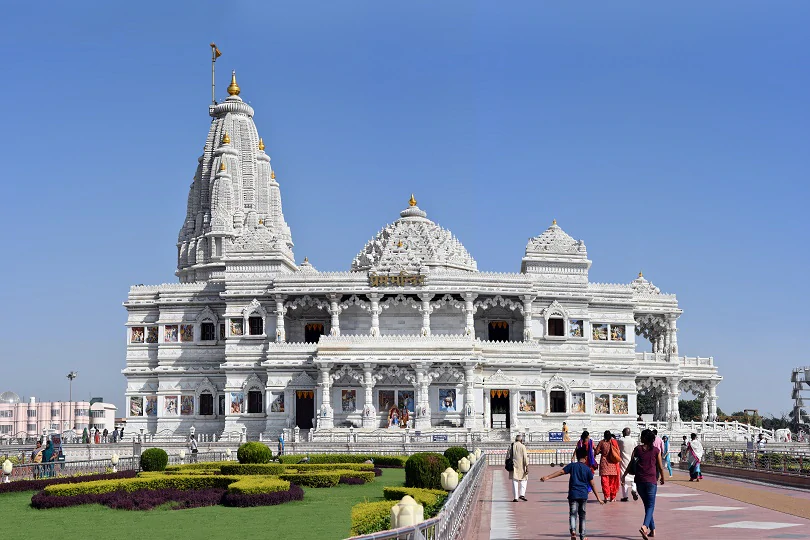
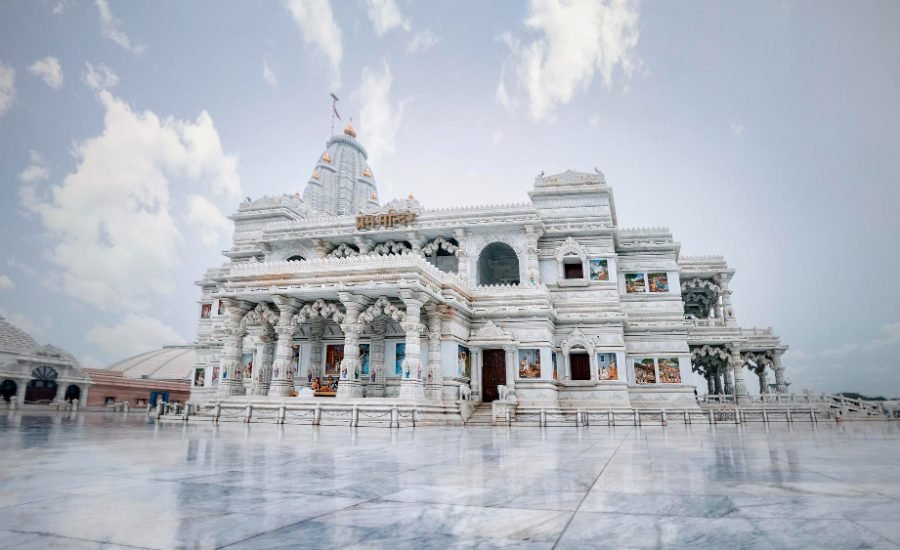
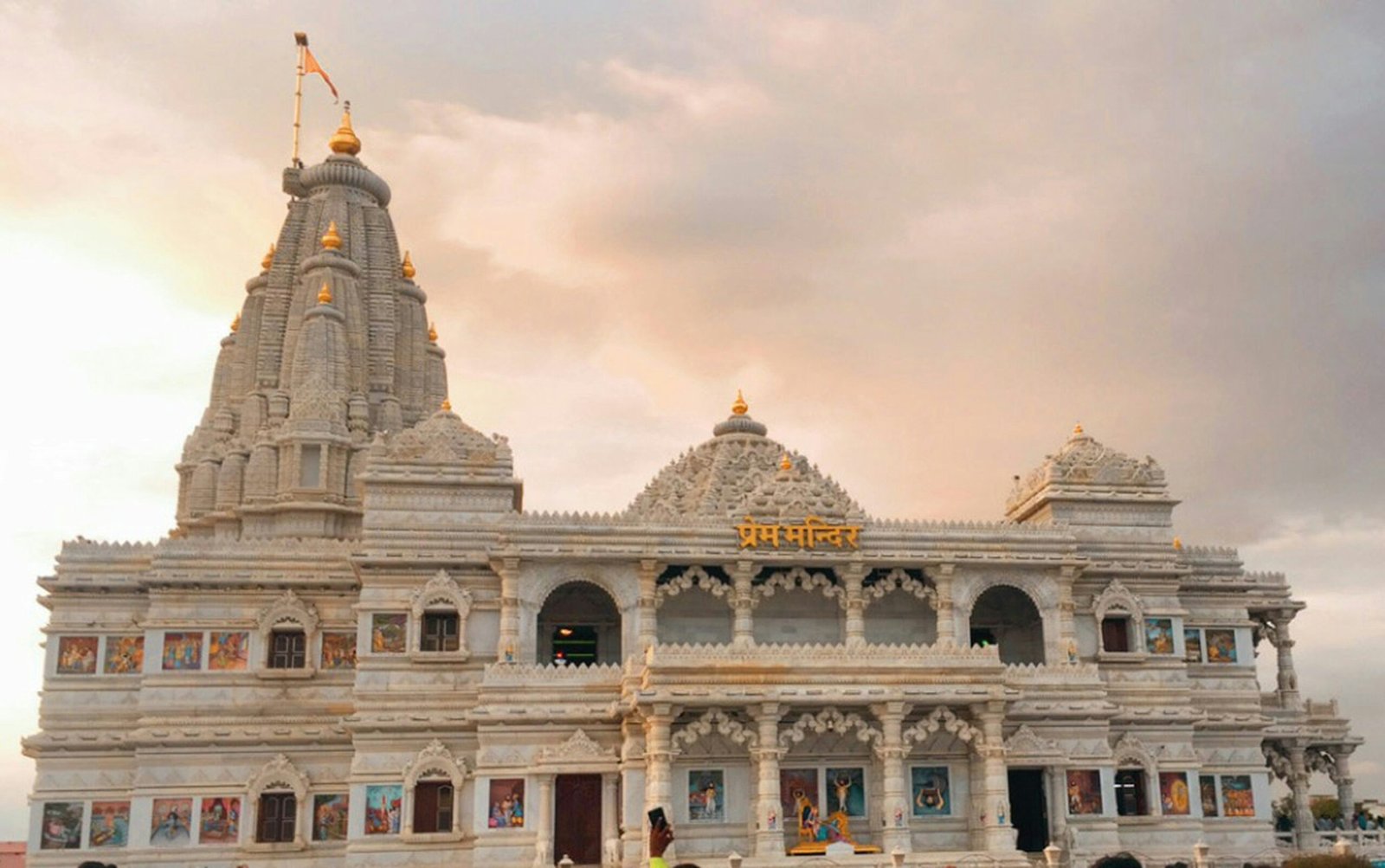
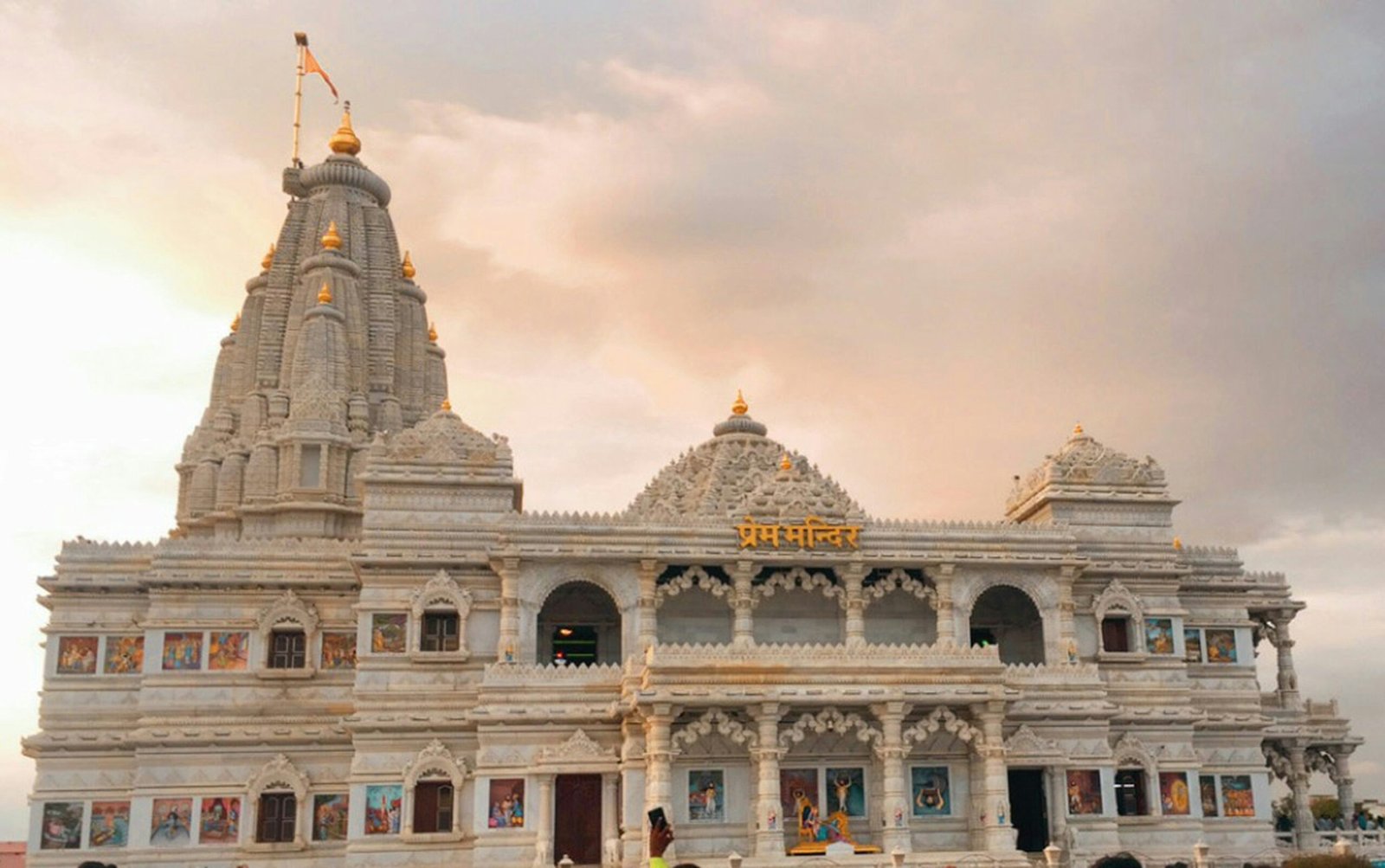
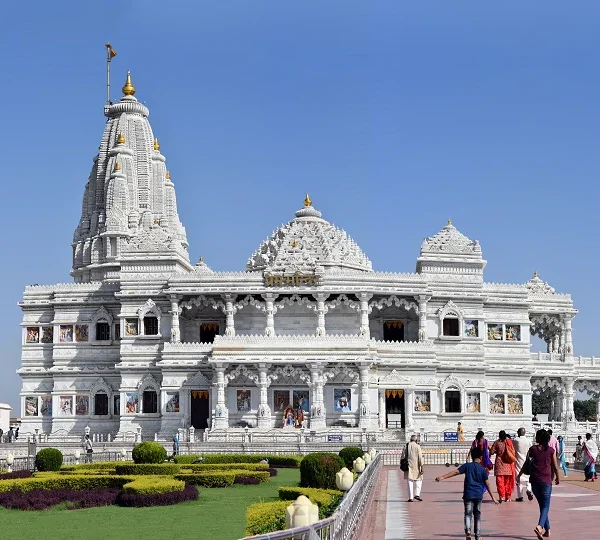
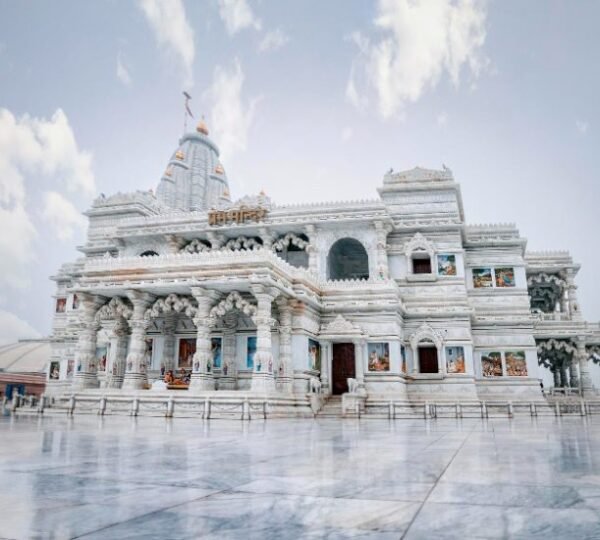
Prem Mandir : Prem Mandir is a newly constructed site which opened its doors to public visitation in February 2012. The complex stretches across an area of 54 acres on the outskirts of Vrindavan. Covered in white Italian marble, the temple is an architectural beauty concentrated with profound religious ethnicity. The presiding deity of the temple includes Lord Radha Krishna and Shri Sita Ram. One of the major highlights of the temple is the provision of light and sound show in the evening which is quite enthralling and charming. Devotees are requested to wear modest attires while visiting the temple.
Govind dev temple vrindavan : Majestic 16th-century Hindu temple featuring a red sandstone facade, raised plinth & marble altar.
Radha Vallabh Mandir : Sandstone Krishna temple from 1585, with Hindu & Islamic elements & flower-covered statues.
Day 03: Vrindavan to Agra
After Breakfast, Checkout and proceed to Agra sightseeing’s
Sikandara : Located in the outskirts of Agra, Sikandra is known for Akbar’s Tomb, the last resting place of the Mughal Emperor. The tomb was built by Akbar himself which was later completed by his son Jahangir. Featuring a blend of Hindu and Muslim architectural style, the tomb is constructed with red sandstone and marble. The interiors are decorated with fine calligraphy and inside lies the grave of Akbar in a dark chamber. The outlying Mughal styled garden adds beauty to the splendid structure of the Tomb. Tourists can explore the tomb as they admire its architectural beauty and then retreat to the calm oasis of the charming garden.
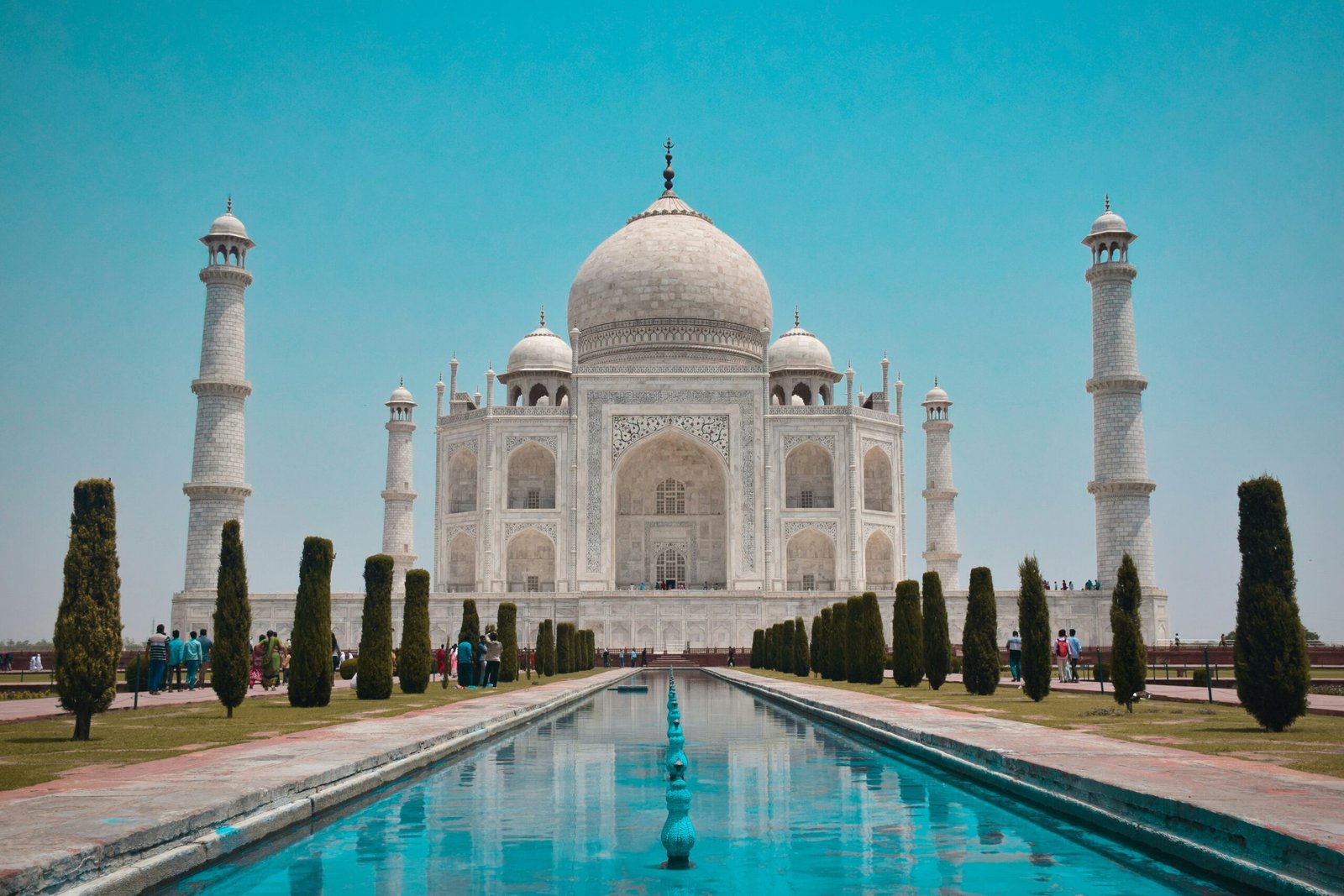
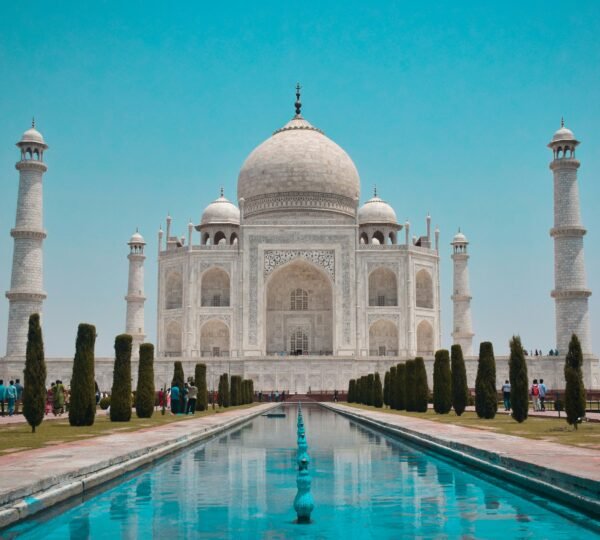
Taj Mahal : One of the seven wonders of the world, Taj Mahal was built by Shah Jahan to immortalize the deep love for his deceased wife Mumtaz Mahal. Renowned for its ethereal beauty, the monument is also a UNESCO World Heritage Site and has captivated the hearts of many not only in India but all over the world. A fine example of Mughal architecture, Taj Mahal was constructed with marble and features an amalgamation of Indian, Persian and Islamic architectural style. The reflective pools and elegant gardens on the premises add further charm to its beauty. Visitors can take a stroll and admire the visceral charisma of Taj Mahal, especially on a full moon night when the ivory white marble is bathed in moonlight and looks absolutely breathtaking. Taj Mahal remains closed for visitors on Friday.
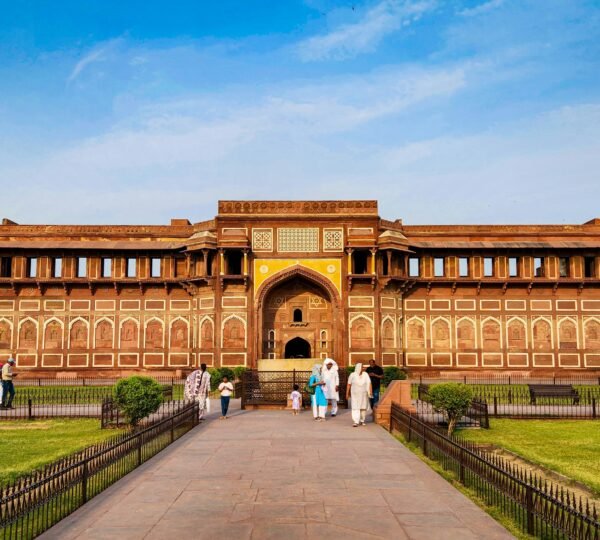
Agra fort : Located around 3 kilometers away from Taj Mahal, Agra Fort is one of the most visited tourist attractions in Agra. Known for its rich history, it is also a UNESCO World Heritage Site. The splendid structure of the Fort is famous for its majestic gates namely Delhi Gate, Lahore Gate, Elephant Gate, and the Amar Singh Gate. Since the Fort is sprawled over an area of 94 acres, visitors are suggested to wear comfortable shoes and carry a water bottle as drinking water is not provided inside the Fort.
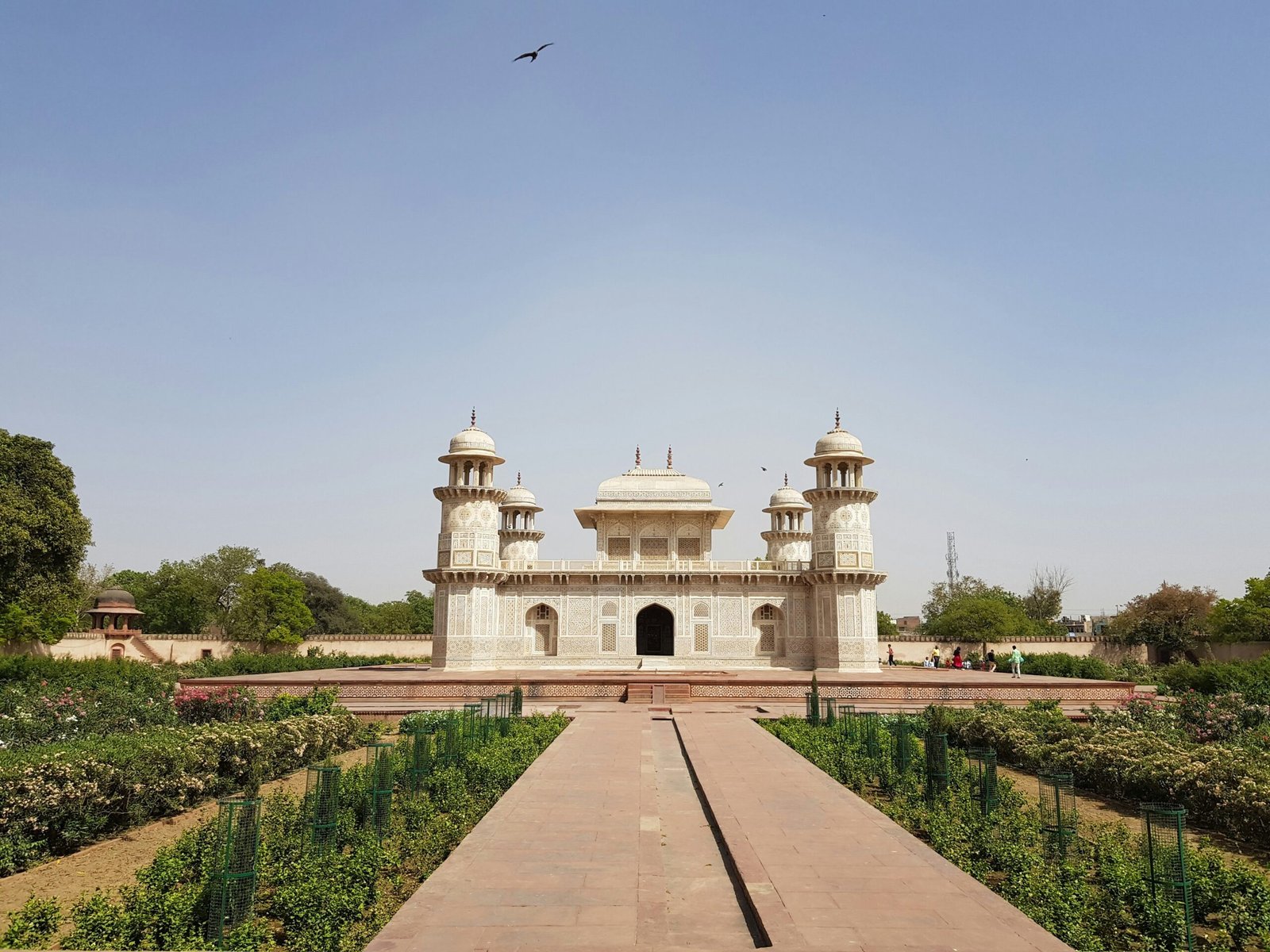
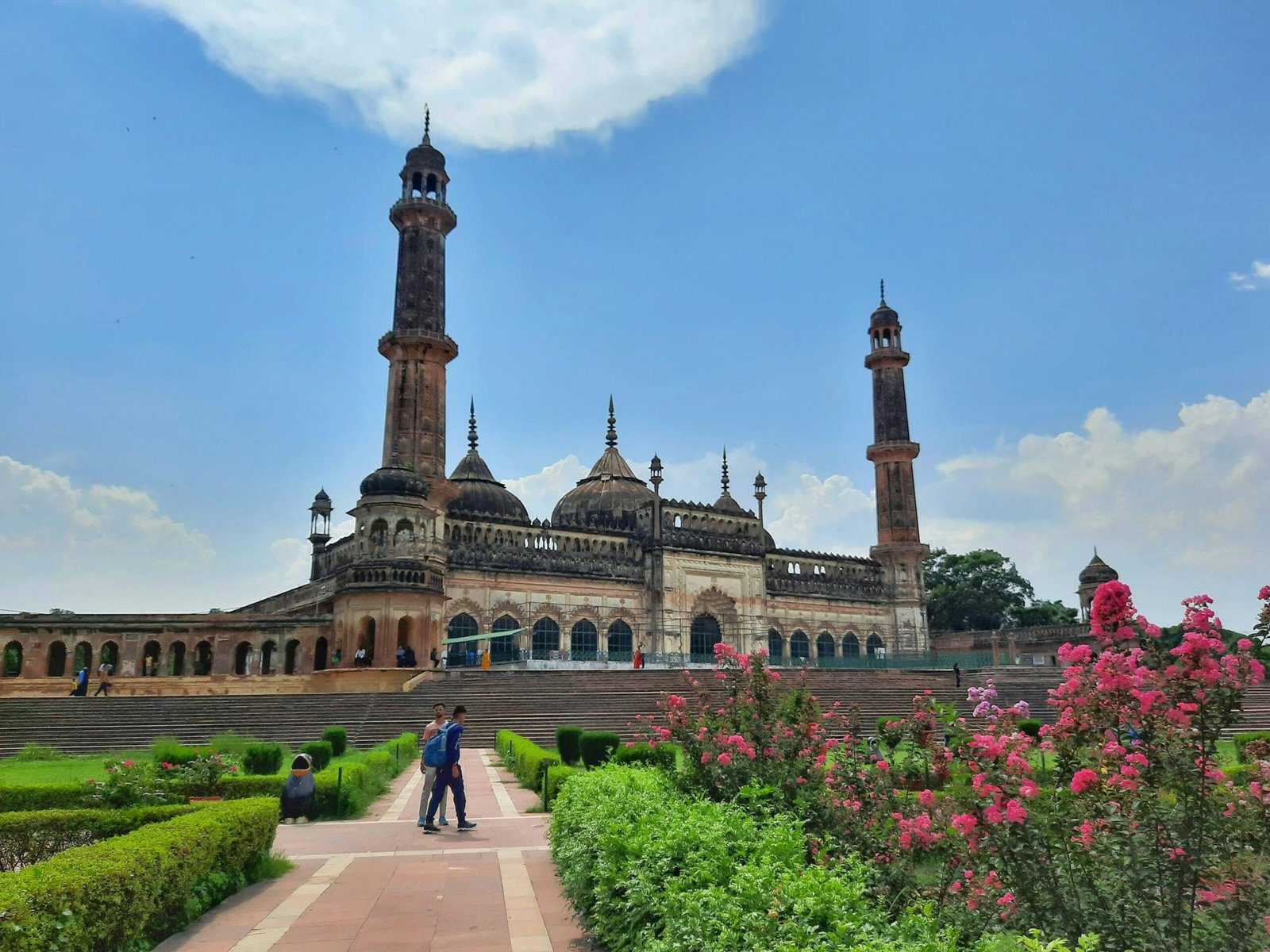
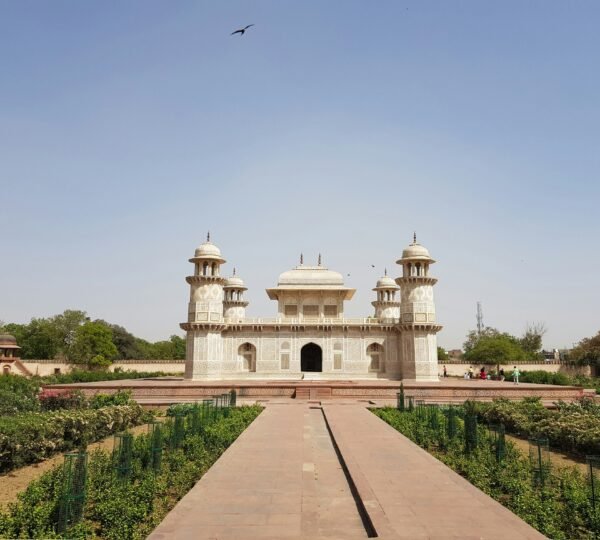
Itmad-ud-Daul : The tomb of Itimad-Ud-Daulah was built under the commission of Empress Nur Jahan in the memory of her loving father Mirza Ghias Beg in 1623-28 AD. He was the chief minister under Emperor Jahangir's principality. The highly ornate tomb is also known as the Baby Taj and claimed to be its precursor. The architectural masterpiece is adorned in dazzling white marble nuances giving it the most spectacular charm. Instead of a dome, the tomb has a small rooftop canopy and squat minarets on all four corners of the building. It is one of the earliest Mughal structures in Agra to be entirely constructed out of marble and is famous for its extravagant inlay work.
Day 4 : Agra Departure
After Breakfast, Checkout and proceed to Delhi Airport for your onward Journey.